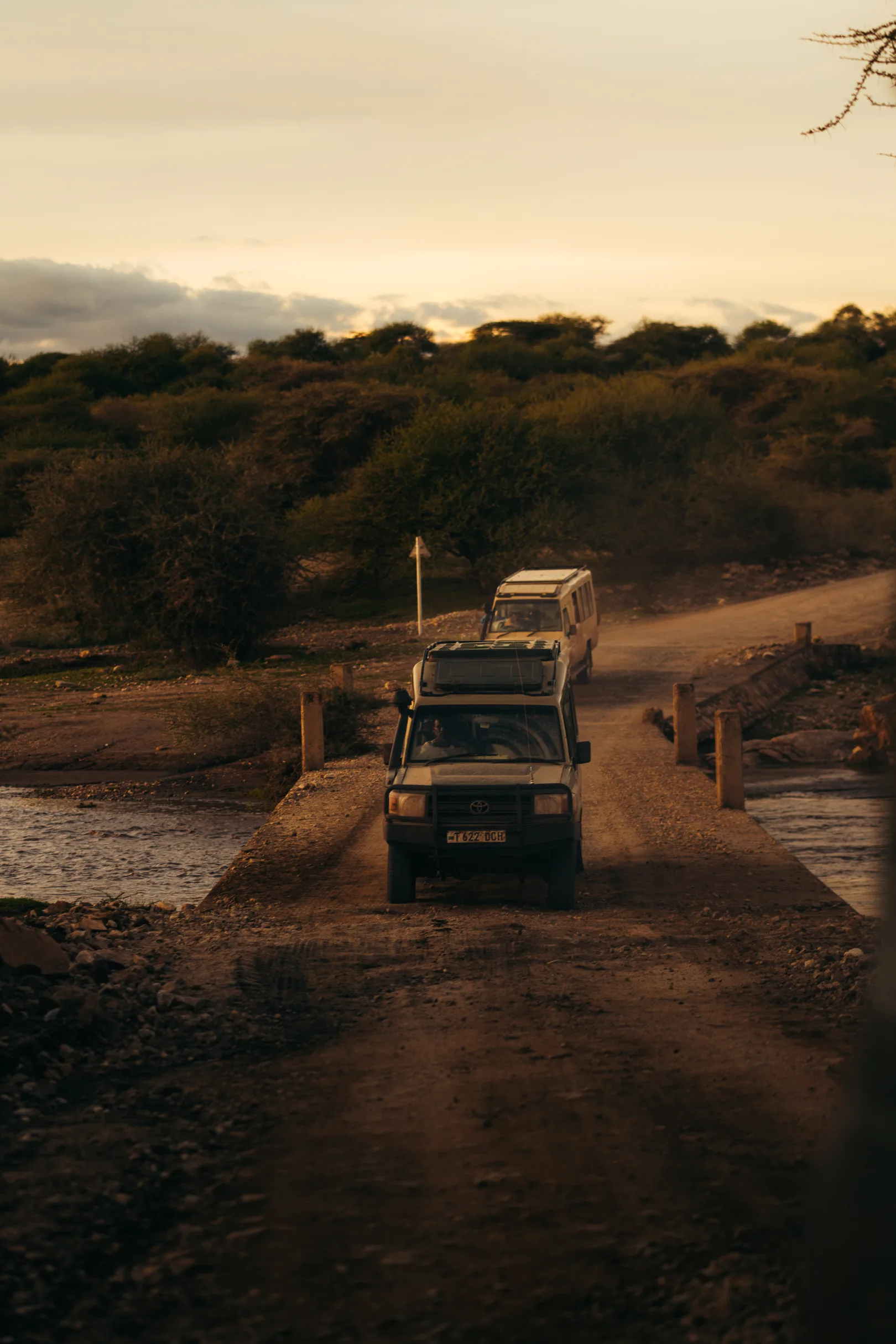
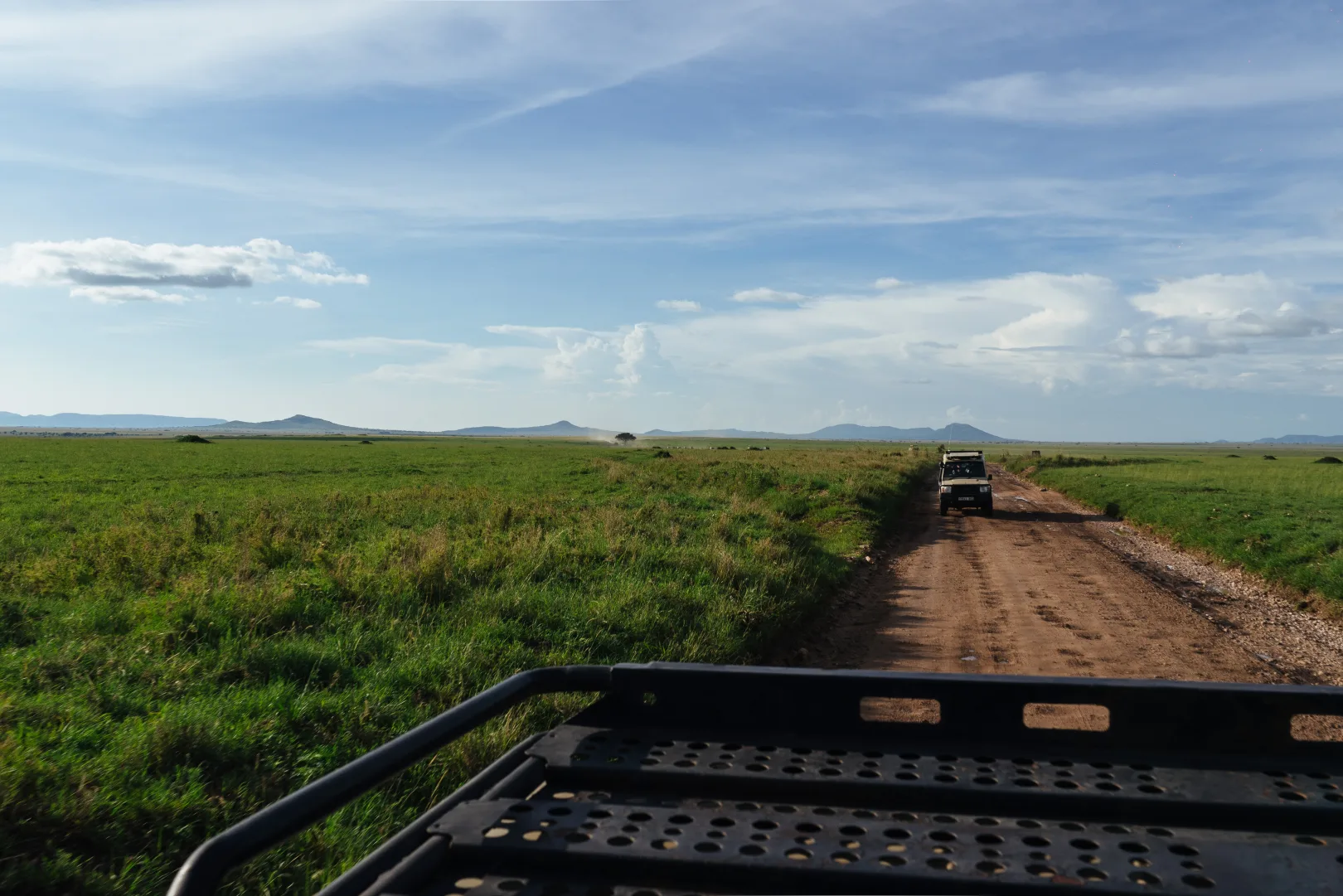
There is a particular quality to light at 6 a.m. on the Serengeti plains — a quality that has nothing to do with photography and everything to do with what it feels like to stand in the wild with the person you have chosen to build a life with. The air is cool and carries the smell of acacia and overnight rain. The grass is still heavy with dew. In the distance, a pod of hippos exhales in the marsh. You have not yet seen a lion. You have already understood why people come here to celebrate the beginning of something.Tanzania Honeymoon Safari is worth exploring alongside this destination.
A Tanzania honeymoon safari is not a safari with two people in it. It is a different kind of journey — one designed around privacy, around pace, around the kind of shared wonder that compounds over days rather than hours. The best camps understand this immediately. They give you a private vehicle, a guide who knows when to narrate and when to fall silent, and a schedule that is entirely yours to shape each morning. This is what Bobby Safaris has been designing for nearly fifty years: honeymoons that feel like the beginning of something, not a holiday that happens to be romantic.
“The honeymoons you remember are not the ones where everything went perfectly. They are the ones where you witnessed something extraordinary together — and emerged closer for it.”

The Serengeti at golden hour — the African hour that makes a Tanzania honeymoon unlike any other journey
Why Tanzania — The Northern Circuit as a Honeymoon Destination
We design honeymoons exclusively in Tanzania, and the reason is not romantic branding. It is practical: Tanzania's northern circuit offers a combination that no other safari destination achieves simultaneously.
The wildlife density is genuine, not concentrated into a few waterholes for tourist visibility. When you are watching lions on the Lamai Serengeti, you are frequently the only vehicle in sight. The landscape — the endless silver grass, the granite outcrops, the tree rivers — is on a scale that makes the Mara feel intimate by comparison.
The camps we use for honeymoon clients are small, personal properties designed for couples from the outset: private plunge pools, outdoor rainfall showers, dining setups that range from your own veranda to a clearing in the bush lit by lanterns. These are not converted family camps. They were built for intimacy.
And Tanzania offers Zanzibar — which no Kenyan or South African itinerary can replicate. The safari-then-coast combination is a tonal journey, from the high drama of the wild to the warm Indian Ocean, and it is one that our guests consistently describe as the most complete travel experience of their lives.
The Best Time to Go: A Season-by-Season Guide
The question we are asked first — after “where” — is “when.” The honest answer is that Tanzania delivers extraordinary honeymoons in every month of the year. But each season offers something distinct, and understanding those distinctions is how you choose well.
January to February — The Calving Season
The short-grass plains of Ndutu in the southern Serengeti turn green as wildebeest give birth to hundreds of thousands of calves over a three-week window. Predator action is extraordinary: lions, cheetahs, and hyenas working the abundance. Visitor numbers are lower than peak season, the light is exceptional, and the landscapes are beautiful. This is our most consistent recommendation for first-time safari travellers who want drama without crowds.
June to Early July — Shoulder Season
The dry season begins. Wildlife concentrates around water sources, making game drives exceptionally productive. Migratory birds have arrived. Visitor numbers drop, camp availability improves, and prices are often more favourable than peak. The Serengeti at this time is quiet, green, and extraordinarily beautiful.
July to October — The Great Migration
The world’s most dramatic wildlife spectacle: 1.5 million wildebeest moving across the Serengeti in search of rain-ripened grass. River crossings at the Mara River are unpredictable, intense, and unforgettable. This is the busiest and most expensive season. If witnessing the Migration specifically is the goal, this is when to come — but book twelve months ahead.
November and December — Green Season
The short rains transform the Serengeti into a luminous green landscape. Visitor numbers drop significantly. Camps offer excellent value. The light — dramatic afternoon clouds, sudden sun shafts through storm clouds — is extraordinary for photography. This is the season for couples who prioritise solitude and natural drama over specific wildlife events.
Serengeti Fly-Camping — The Most Intimate Safari Experience
If there is one experience that defines a Bobby Safaris honeymoon, it is fly-camping in the Lamai or northern Serengeti.
Fly-camping is simple in concept: a lightweight camp of four to six tents, moved every few days to follow the wildlife, with none of the infrastructure of a permanent camp. The mattresses are surprisingly comfortable. The dining is exceptional — the camp chefs cook over fire with a precision that would embarrass most city restaurants. The bathroom arrangements are private and open to the sky. And the sounds of the night — hippos moving along the river, lions roaring on the kopje, the percussion of a hyena's laugh — are entirely unobscured by generators or air conditioning.
What makes it extraordinary for honeymoon couples is the privacy. You do not share your fly-camp with other guests you do not know. The camp is yours, or it is shared only with other couples you have chosen to travel with. There are no other vehicles at your sighting. When your guide finds a pride of lions working the drainage line at dusk, it is just the two of you and the guide — three people, one pride, the last light of the African sky.
Fly-camping is not roughing it. It is the opposite: a return to a particular kind of simplicity that luxury, in its truest sense, actually is. Space, silence, extraordinary wildlife, and nothing that is not necessary.

A private bush dinner in the Serengeti — one of the defining experiences of a Tanzania honeymoon
Private Conservancies — Exclusivity as a Design Principle
Beyond the national parks, Tanzania's private conservancies offer a different safari experience — one built around exclusivity as a core design principle, not an afterthought.
A private conservancy is land leased from Maasai communities, managed for low-density wildlife tourism. The vehicles are limited — often two or three per property at any time, versus the dozens that can accumulate at a popular sighting in the Serengeti or Ngorongoro Crater. There are no self-drive tourists. There are no minibuses. The vehicles that do appear are owned by the camp and driven by guides who know the land intimately.
The practical benefit for honeymoon couples is obvious: your game drives do not feel like a queue. You do not wait for a sighting to clear before entering. You do not share your lion with twelve other vehicles parked in a semicircle.
The less obvious benefit is the walking safari, which is only possible on private land. A guided walk at dawn — just you, your partner, and a professional guide with forty years of knowledge of how to move through lion country — is one of the most quietly profound experiences a person can have. It is not adrenaline. It is attention. And it is only available on conservancy land.

The Serengeti rewards those who spend enough time here — the light, the wildlife, the silence are unlike anywhere else on earth
Frequently Asked Questions
Why is Tanzania the best choice for a honeymoon safari?
Tanzania's northern circuit offers genuine wilderness on a scale found nowhere else in Africa — plus the option to add Zanzibar as a coastal extension, creating a tonal journey from wild intensity to ocean calm. The camps designed for couples (private plunge pools, outdoor showers, bush dining) are exceptional, and the private conservancies offer the exclusivity that honeymoons require. No other safari destination combines all three elements as effectively.
What is fly-camping and why is it ideal for honeymooners?
Fly-camping is a lightweight mobile camp — four to six tents, moved regularly to follow the wildlife, with no permanent infrastructure. For honeymoon couples, it offers the purest safari experience available: extraordinary wildlife, total privacy, dining around a fire under the stars, and the unhurried sense of genuinely inhabiting the wild. It is not roughing it; it is the opposite — a return to a particular kind of simplicity that true luxury actually is.
What makes private conservancies different from national parks?
Private conservancies are leased land managed for low-density, exclusive wildlife tourism. Vehicle numbers are strictly limited — often two or three per property at any time — so you never queue at a sighting or share your lion with a dozen other vehicles. Walking safaris are possible on private land, which they are not in national parks. And because the land is managed for wildlife rather than tourism throughput, the game viewing can be exceptional even when the national parks are busy.
When is the best time for a Tanzania honeymoon safari?
January to February offers the wildebeest calving season on the Ndutu plains — dramatic predator action, green landscapes, fewer visitors. July to October brings the Great Migration river crossings — the most wildlife-intensive spectacle on earth, but busier and more expensive. June and the shoulder seasons (May, November) offer excellent wildlife, better availability, and quieter camps. Every season offers something extraordinary — the right time depends on what you most want to witness.
How long should a Tanzania honeymoon safari be?
Seven nights is the minimum for a meaningful experience; ten nights is the sweet spot — enough time to properly inhabit two different camps, include the Ngorongoro Crater rim, and either add Zanzibar or simply have unhurried days. Fourteen nights allows for a deeper journey with multiple regions and a proper coastal extension. Shorter than seven nights and the pace begins to feel rushed — there is a qualitative difference between a safari and one where you have truly settled into a place.
Should a Tanzania honeymoon include Zanzibar?
For most couples, yes. The combination of a Tanzania safari followed by Zanzibar is a tonal journey — from the intensity and shared adventure of the wild to the calm and intimacy of the ocean — that guests consistently describe as the most complete travel experience of their lives. Three to four nights on Zanzibar is sufficient for decompression without requiring a significantly longer trip. The key is to design it as two halves of one journey from the outset, not add Zanzibar as an afterthought.
The best Tanzania honeymoons begin with an honest conversation. Tell us what you want this trip to feel like — not just what you want to see, but how you want to move through the days, what kind of pace feels right, whether the Great Migration is a priority or a bonus. We will tell you what is possible, which camps would be suited to you, and what it would cost to design it properly. No brochures. No packages. No obligation.