

Most first-time safari guides tell you what you will see. This one tells you what you will feel — and why nobody bothers to prepare you for it before you arrive.
The first thing that surprises most first-time safari travellers is how much time passes between wildlife sightings. The second surprise is that this time is not wasted — it is, if you have the right guide, the most interesting part of the day. The third surprise, the one that arrives around day three or four, is that you have stopped thinking about what you have seen and started thinking about what you are seeing.
This is the guide Don wishes someone had given him before his first safari. Not advice about packing or cameras or the best time of year. The things that actually matter.
“The bush does not perform for you. What it offers is something harder to describe: the sensation of being somewhere that does not need you to be there.”
The Wildlife Sighting You Imagine Is Not What You Will Get
In your mind, the lion sighting goes like this: the vehicle stops, the lion is twenty metres away in the golden grass, you take a photograph, the light is perfect, it is everything you expected. In reality, the lion sighting goes like this: the guide has heard something on the radio from another vehicle. You drive for forty minutes on a rough track. The lion is a long way off, partially obscured by tall grass, and it is mostly sleeping. Then it stands up, walks three steps, and lies down again. Then a second vehicle arrives with twelve people in it. You sit there for an hour.
And it is one of the best experiences of your life. Because you were there. Because the guide explained everything — the lion's Radio collar, the territorial patterns, the relationship with the pride, what the behaviour means in the context of three decades of observed data. Because an hour with a lion doing nothing is still an hour in the presence of something that the rest of the world has only seen in photographs.
The adjustment that makes the difference is this: stop thinking of the lion as the goal and the driving as transit. The driving is the experience. The guide who tells you about the acacia tree and what it means for the ecosystem, who points out the difference between a warthog and a boar from twenty metres in failing light, who can identify a bird by its alarm call — that person is not filling time between sightings. They are teaching you how to see.
The Rhythm You Will Not Understand Until You Are In It
A day on safari follows a pattern that first-timers resist and then, by day three, begin to love. Wake at 5:30am. Coffee, rusks, a brief from the guide. Into the vehicle by 6:00am. Drive until mid-morning, stopping when something interesting happens, stopping when nothing is happening because the guide is reading the landscape. Return to camp around 10:00am.
The midday is quiet. This is not a failure of the itinerary. The animals are resting in the heat, and the right response to the heat is the same. Lunch. Rest. Read. Sleep if you can. The pool if there is one. Afternoon tea at 3:00pm. Back in the vehicle by 3:30pm. Drive until dark. Sundowners somewhere beautiful. Dinner at 7:30pm or 8:00pm. Bed by 9:30pm because you will be asleep before 10:00pm and you will sleep like you have not slept since childhood.
This rhythm, which sounds exhausting and slightly bootcamp-like when described, is in practice the most relaxed and restorative travel experience we know. The enforced early start means you are asleep by ten. The midday rest means you are never actually tired. The enforced digital silence — no Wi-Fi in most camps, no phone signal, no emails — means you cannot check anything, which means you are entirely where you are.
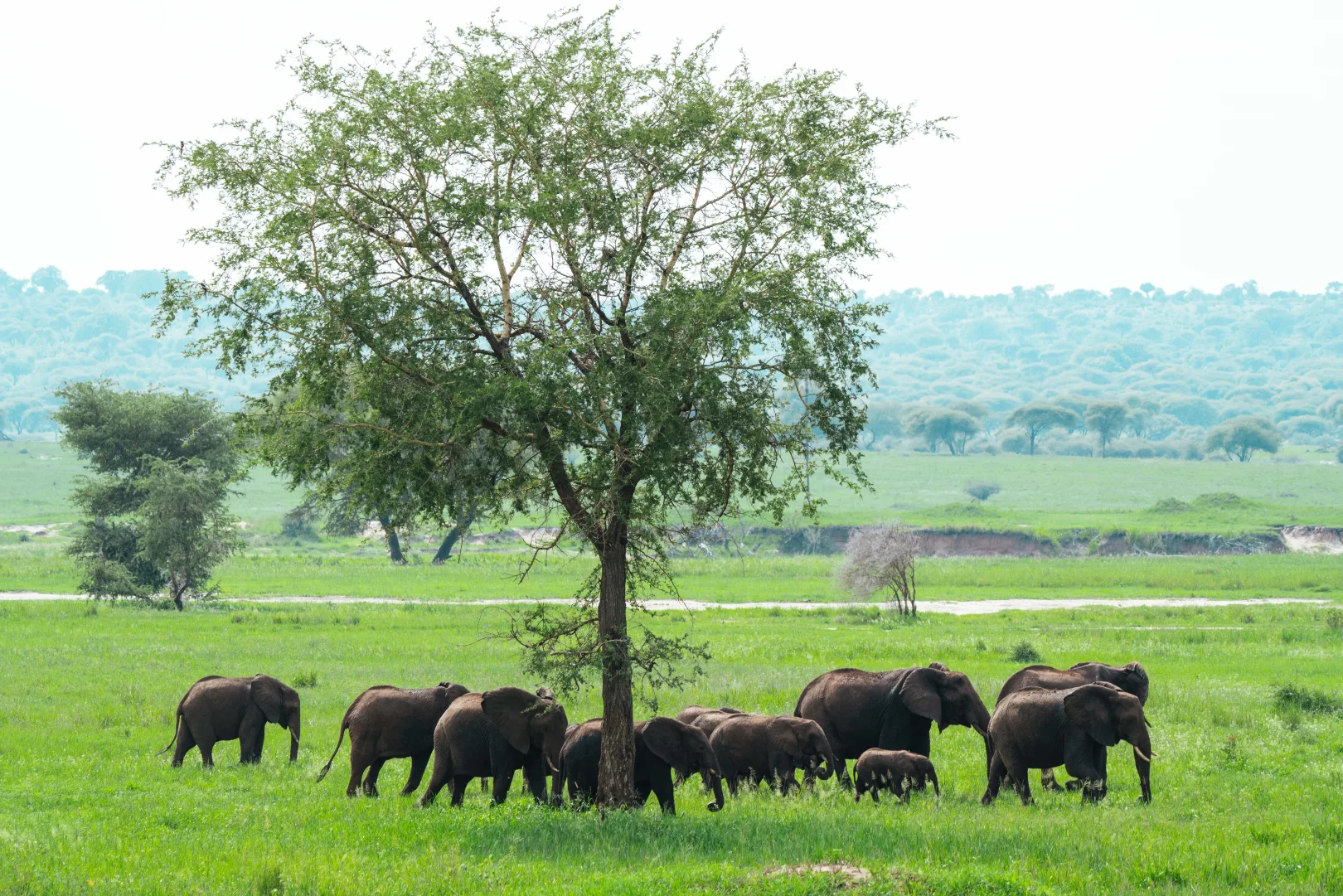
The first morning light on a Tanzania safari — most drives leave camp by 6am
The Guide Is the Destination
On your first safari, you will think the wildlife is the product and the guide is the delivery mechanism. You will be wrong. The guide is the product. The wildlife is the raw material that the guide transforms.
A lion lying in grass is impressive. A lion lying in grass, with a guide who can tell you which coalition it belongs to, when it was last seen, what its hunting success rate is, how it interacts with the resident male, and what the radio call from another vehicle means in real time — that lion becomes something you understand rather than merely witness.
This is why the difference between guides is not measured in sightings — all competent guides find the animals — but in the quality of what you take away from the experience. Don has been doing this since 1978. The feedback he hears most from returning clients is not about the lions. It is about the hour in the vehicle with a guide who made them feel like they were finally understanding what they were looking at.
What to Actually Worry About
Most first-time safari worries are misplaced. People worry about the animals. They do not need to. The animals are wild; you are in a vehicle; the guide has done this ten thousand times. What people should worry about and rarely do: dehydration, sun protection, dusty roads, and the cumulative fatigue of early mornings over seven consecutive days.
Dehydration on safari is insidious. You are not sweating visibly because the air is dry and the wind in the vehicle evaporates moisture before you notice it. By the time you feel thirsty, you are already behind. The solution is primitive: a water bottle in your hand at all times, a reminder to drink from your guide or your own discipline, and electrolyte supplements on very hot days. This is not glamorous advice. It is the advice that will determine whether you feel good on day five or day ten.
Sun protection on safari is more aggressive than you think you need. The UV index in Tanzania is extreme, the reflection off the vehicle roof and the dry plains increases exposure, and the breeze in the vehicle convinces you that you are cooler than you are. SPF 50 applied twice during the morning drive is the beginning of adequate protection, not the end of it.
Ready to Plan Your First Safari?
Don has been guiding first-time safari travellers in Tanzania since 1978. He will tell you what to expect, what to worry about, and how to prepare — honestly, without sales pressure.