
The Ngorongoro Crater is the most concentrated wildlife experience available in Africa. A single day on the crater floor can deliver sightings that would take three days elsewhere — a working lion pride at dawn, a black rhino at the forest edge, an elephant bull in musth, a leopard ascending a kopje with a kill. None of it is guaranteed. The crater rewards a guide who reads the day and a traveller who accepts that the schedule is shaped by the wildlife, not the other way around.
This is a working read on the Ngorongoro Crater day trip — what the morning descent looks like, what the crater actually delivers in eight hours, how the logistics work, and when the right answer is to extend the crater visit into an overnight rim stay. If you are deciding whether the crater belongs in your Tanzania itinerary, and if so for how long, the answer is almost always yes — the question is how to do it properly.
The morning descent
The crater rim sits at approximately 2,400 metres altitude. The descent road — a single switchback that drops roughly 600 metres through the crater wall forest to the floor — opens at 6:00 a.m. in the dry season. The temperature on the rim can be ten degrees colder than the floor; morning game drives often start in fleeces and finish in shirtsleeves. The descent itself takes roughly twenty-five minutes, and the first sightings are possible from the road before you reach the floor.
A private guide will time the descent to put you on the crater floor by 6:30 a.m. — the first hour is the working window. Lions are active, hyenas are returning from the night, leopards are settling into their daytime resting positions, and the light is at its best. By 9:00 a.m. the temperature has risen sharply, predator activity has slowed, and the daily vehicle quota has begun to fill.
What the crater actually delivers
The Ngorongoro Crater is 260 square kilometres of enclosed grassland, acacia forest, Lerai fever tree stands, and a permanent soda lake. The walls of the caldera prevent the seasonal wildebeest migration from leaving — and the predators that depend on the migration stay resident year-round. The density is the point. You will not see the vast landscapes of the Serengeti from the crater floor. You will see more individual animals per hour than anywhere else in East Africa.
A realistic full day on the crater floor includes two game drives — a morning drive from 6:30 a.m. to midday, with a stop for a hot bush lunch on the floor, and an afternoon drive from roughly 1:30 p.m. to 4:00 p.m., before the ascent back to the rim. In that window, the working expectation is multiple lion sightings, large buffalo herds, hippo pods around the Lerai forest, a good chance of leopard on one of the drainage lines, and — for visitors who arrive with patience and a guide who knows the day — black rhino on the crater floor or the Lerai forest edge.
The logistics, plainly
The two logistics that matter most are vehicle permits and the rim-descent timing. The Tanzania Conservation Authority restricts the number of vehicles on the crater floor simultaneously, and the daily entry quota is enforced by permits allocated to operators. Private-operator permits, conservancy-allocated permits, and the early-morning descent are the three factors that determine whether your day on the crater is shared with three other vehicles at every major sighting or experienced as the working safari the caldera is designed for.
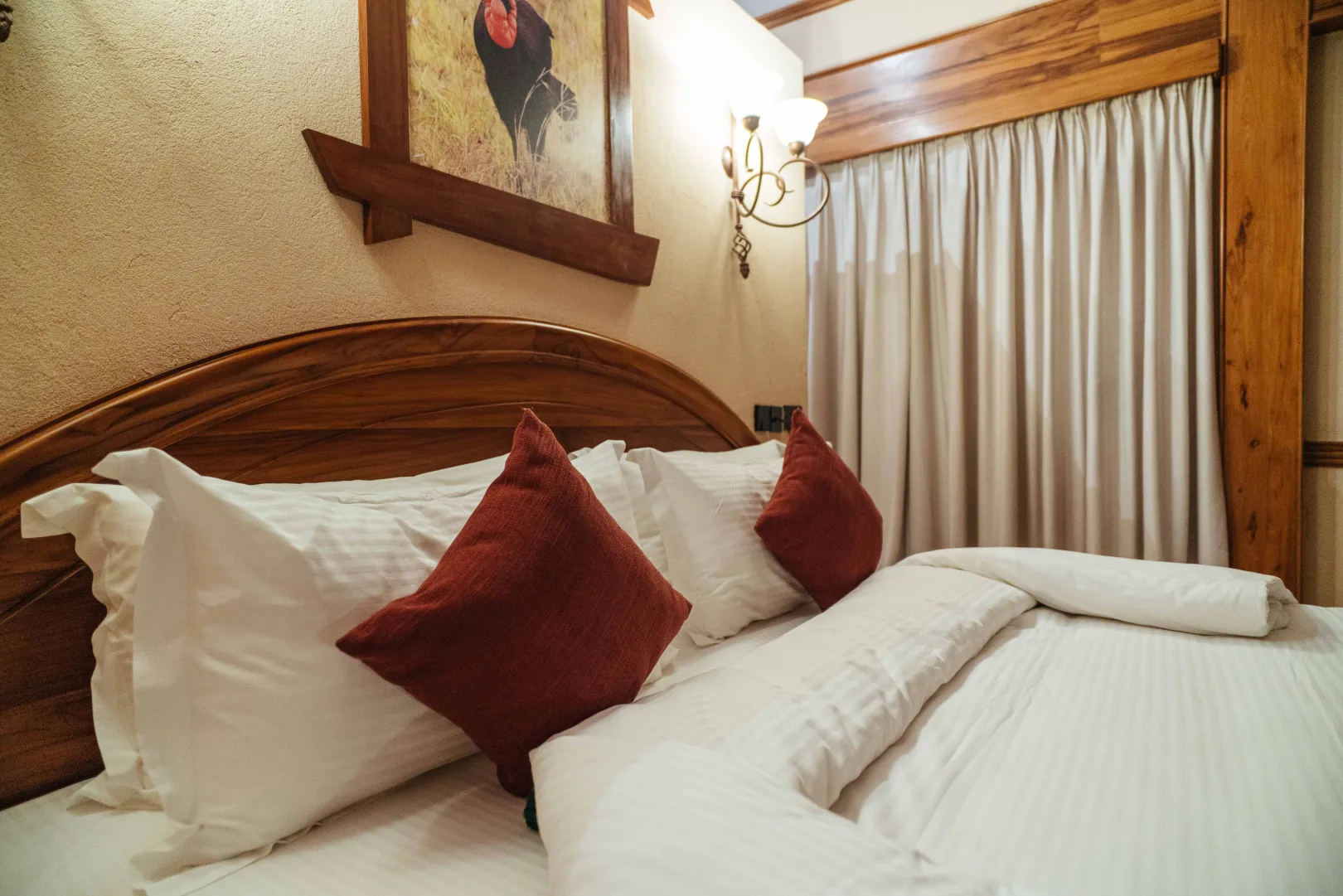
The second logistics question is the rim lodge. Travellers on a three-to-five day northern circuit typically drive in from the Serengeti or the Lake Manyara region and stay one or two nights on the crater rim before the descent. Travellers on a shorter Arusha or Karatu-based safari often do the crater as a full-day drive — four hours round-trip on top of the descent and the day on the floor, which is a long day but workable. Travellers on a fly-in itinerary approach the crater by light aircraft to the Ndutu or Lake Manyara airstrip, depending on the season, and meet their crater guide on the ground.
When a day trip is the right answer
For most travellers on a five-to-seven day northern circuit, a single full day on the Ngorongoro Crater is the right answer. The crater is contained — a competent guide covers the major sighting territories in a morning drive and an afternoon drive — and a day trip delivers the density and the predator activity that the crater is famous for. If you have additional time and the budget to extend, an overnight on the rim adds the dawn descent (a genuinely better experience than mid-morning arrival) and the option of a second shorter morning drive before the day's vehicles arrive.
If you have one day for the crater and one day for the Serengeti, spend the day on the crater and drive into the Serengeti that evening. If you have two days, stay one night on the rim. If you have three days, add a second night and a hot-air balloon excursion over the crater highlands at sunrise — one of the most visually extraordinary experiences in East Africa.
The honest caveat
The Ngorongoro Crater is a managed ecosystem. The vehicle quota is a real constraint. The crater floor can, during peak season, feel less like a wilderness and more like a regulated game reserve — and a traveller expecting the solitude of the Serengeti plains may be surprised by the number of vehicles at major sighting points. The counterweight is that the wildlife density is genuinely exceptional, and a guide who arrives early with allocated permits and reads the day well will deliver an experience that holds its own against any other single-day safari on the continent.
The honest read is that the crater is a working safari, not a private one. If you want the solitude, the conservancies adjacent to the Serengeti and the Tarangire ecosystems are the answer. If you want the density, the Ngorongoro Crater is unmatched — and a single day is enough to experience it properly.
For context on how the crater sits within a longer northern circuit, the Serengeti vs Ngorongoro circuit guide covers the trade-off in detail, and the private conservancy vs crater floor comparison covers the solitude question directly. For the broader northern Tanzania planning, see the best time to visit Tanzania calendar. For the climb-to-safari complement, Mount Kilimanjaro climb sits well in the eight-to-ten days before the crater visit.
Frequently asked questions
Is a Ngorongoro Crater day trip worth it, or should I stay overnight on the rim?
For most travellers, one full day on the Ngorongoro Crater floor is the right answer. The crater is contained — 260 square kilometres of enclosed grassland, forest, and a permanent soda lake — and a competent guide can cover the major sighting territories in a single morning drive and an afternoon drive. Staying overnight on the crater rim adds the sunrise descent and the option of a second shorter morning drive before the day's vehicles arrive, which is genuinely better, but it is an enhancement rather than a necessity. If you have one day for the crater, you will see what the crater is famous for. If you have two, the rim lodge experience is the difference between visiting an ecosystem and inhabiting it.
What is the best time of day for a Ngorongoro Crater day trip?
The descent from the rim begins at sunrise, around 6:00 a.m. in the dry season. This is the right window for two reasons. First, predator activity on the crater floor peaks in the first hours after dawn — lions are finishing night hunts, leopards are returning to kopjes, and hyena clans are returning from the night. Second, vehicle numbers on the crater floor are at their lowest before 9:00 a.m. The Tanzania Conservation Authority enforces a daily vehicle quota, and the morning slots fill first. A private vehicle with an early descent gets the crater at its best — active wildlife, lower temperatures, and few other vehicles at major sighting points.
How much does a private Ngorongoro Crater day trip cost?
A private Ngorongoro Crater day trip is priced as part of a larger Tanzania itinerary — typically the crater visit is one or two days within a five-to-ten day northern circuit safari. Standalone day trips from Arusha or Karatu are possible but lose the logistical advantage of the rim descent and the air transfer from the Serengeti. For ultra-luxury travellers the day trip is structured into the broader itinerary: a night at a crater rim lodge, the descent at dawn, a full day on the floor, and an afternoon return to the rim or an onward light aircraft to the Serengeti. The vehicle permit, crater service fee, and private guide for the day are bundled. The exact figure depends on the lodge grade, the size of the party, and whether the day trip is standalone or part of a multi-day circuit.
What wildlife can I expect to see on a Ngorongoro Crater day trip?
The Ngorongoro Crater holds an unusual concentration of resident wildlife because the caldera walls prevent the migration out — predators, prey, and resident bird populations stay year-round. In a single day on the crater floor you can realistically expect to see lion prides, spotted hyena clans, large elephant herds (notably the crater's older bulls in particular), buffalo congregations, wildebeest and zebra in significant numbers, hippo pods around the Lerai forest soda lakes, and — with a guide who reads the day — leopard on the Lerai or Mandusi drainage. Black rhino is the rarest resident species and is genuinely difficult: the crater supports one of the few remaining populations of eastern black rhino in East Africa, but they are heavily protected and a sighting is a privilege rather than an expectation.
How do vehicle quotas affect a Ngorongoro Crater day trip?
The Tanzania Conservation Authority restricts the number of vehicles permitted on the crater floor at any one time, and the daily entry quota is enforced by permits allocated to operators. This is the single biggest logistical variable on a Ngorongoro Crater day trip. A small-group shared safari may find itself in a convoy of vehicles at major sighting points during peak season — a known frustration for visitors who expected the solitude that the crater's photography suggests. The ultra-luxury approach holds allocated vehicle permits as part of the operator's conservancy licence and books the early-morning descent, when both wildlife activity and vehicle numbers are most favourable. It is not the only way to do the crater well, but it is the difference between a memorable day and a frustrating one during the high season.
If you are weighing the Ngorongoro Crater against the Serengeti, or trying to decide whether a day trip on the crater is enough or whether a rim stay is worth the additional night, tell us your trip length, your travel dates, and what wildlife you most want to see. We will give you a direct assessment of how to structure the crater visit within the larger circuit — including the vehicle-permit timing and the rim-descent window that make the difference between a working day and a frustrating one.
This is not a sales conversation. We will tell you honestly whether the crater belongs in your itinerary, and whether a day trip is the right answer or an overnight on the rim is worth the additional cost.