

There is a fundamental distinction between a lodge that sits near the Great Migration and a camp that moves with it. A lodge offers proximity. A mobile camp offers something else entirely: the experience of wilderness that rearranges itself around the rhythms of the herds, not around a fixed address.
Mobile tented camps are semi-permanent seasonal camps that shift their location two to four times per year, following the predictable but finely calibrated movements of wildebeest, zebra, and gazelle across the Serengeti-Mara ecosystem. In the ultra-luxury tier, these camps combine the raw immediacy of tented accommodation with the service standards of the finest lodges — private bathrooms, private chefs, and a level of seclusion that fixed accommodation simply cannot match.
Nightly rates for ultra-luxury mobile camps typically range from $1,500 to $5,000 per person per night, fully inclusive. That figure reflects genuine scarcity: eight to sixteen tents, logistics that require dismantling and rebuilding camp multiple times annually, and positioning that places you inside one of the most extraordinary wildlife events on earth.
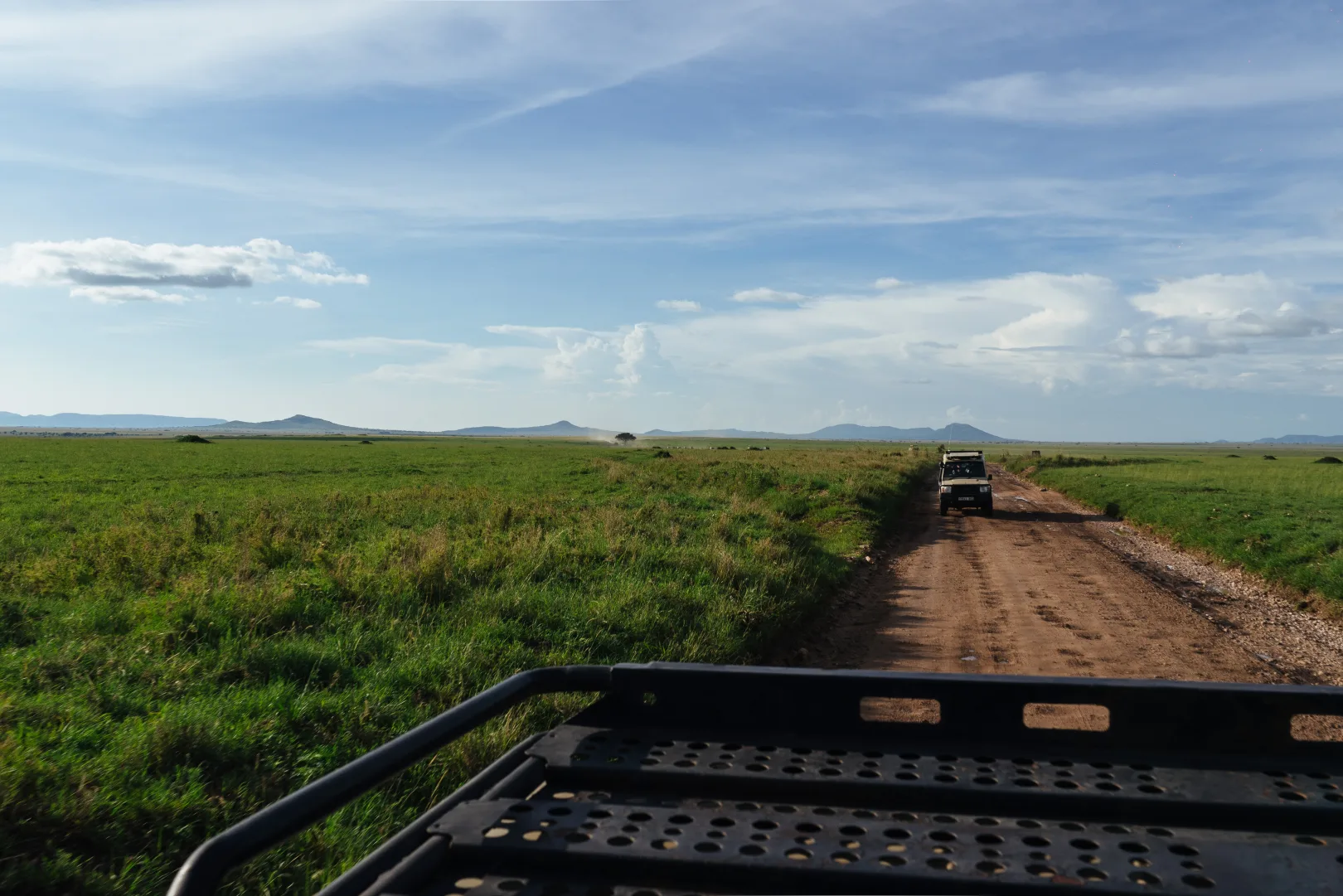
From a mobile camp positioned in the northern Serengeti, the river crossings unfold within walking distance of your tent
How Mobile Camps Work
A mobile camp operator monitors the migration patterns continuously — grass conditions, water availability, aerial surveys, and historical data all inform the decision of when and where to move. Repositioning is not arbitrary; it is calibrated to ensure guests are always in the optimal position for current wildlife activity.
Legally, mobile camps operate in designated Wildlife Management Areas (WMAs) — community-owned conservancies adjacent to the national parks, not within them. This distinction is what makes the experience possible. WMAs permit a density of activity and an exclusivity of access that the national parks, with their higher vehicle counts and broader public access, cannot offer. The tradeoff for the operator is complexity: multiple land-lease agreements, community revenue sharing, and regulatory compliance across each WMA in the seasonal rotation.
The Migration Calendar by Camp Position
Understanding where mobile camps position themselves throughout the year requires understanding the migration itself. Here is how the season breaks down from the camp's perspective:
The southern plains become the stage for calving season — approximately 8,000 calves born per day during the peak weeks of February. Western and southern mobile camps position here for some of the most intimate predator-prey interaction on earth. Lions, cheetah, and hyena concentrate around the calving grounds, and the grass is at its most lush.
As the long rains begin, the herds move northwest toward the Grumeti River. Western mobile camps follow. The Grumeti crossing — though less famous than its northern counterpart — is a spectacular precursor: narrower channels, denser vegetation, and far fewer visitors.
The herds push into the far north, approaching the Mara River. Northern Serengeti camps and those positioned in the Lamai Triangle begin to take their prime-season positions. Vehicle density in the national parks drops sharply at this point; in the WMAs, it is nearly zero.
This is the peak of the migration and the peak season for northern mobile camps. The crossings at Kogatende and the Mara River are unpredictable, dramatic, and — from a properly positioned mobile camp — accessible at hours when the national park roads are closed. A camp within the WMA network can arrange sunrise game drives before park gates open, and sunset drives after they close.
The short rains trigger the beginning of the southward return. Mobile camps begin their final reposition of the year, moving back toward the southern and western plains in anticipation of the next calving season. November is a remarkable month — the landscape transforms rapidly, the light is exceptional, and the herds are freshly fed and in prime condition.
What Ultra-Luxury Mobile Camping Actually Looks Like
The phrase “mobile camp” covers considerable range. A standard mobile camp typically offers pre-pitched tents, shared washing facilities, and guide-level hospitality. It is a good experience at a reasonable price point.
Ultra-luxury mobile camping is something different. The distinction is not simply a matter of higher thread counts — though those matter too. It is a matter of what is removed and what is possible when the operating model is designed around a maximum of eight to sixteen guests at any one time.
At the top tier, you will find en-suite bathrooms with hot showers and flush toilets — not the composting setups of mid-range tented camps. Private butler and chef service is standard. Linens are changed daily. A premium wine and spirits selection is included, typically with a dedicated bar setup. Guided walking safaris led by qualified, armed trackers are available without the additional per-person charges common at fixed lodges. Some operators include a resident naturalist or geologist who leads evening astronomy sessions and interpretive nature walks — experiences that require a small guest-to-staff ratio to operate viably.
The camp itself is dismantled and rebuilt by a dedicated crew between seasons. When you arrive, the tents are pristine, the dining tent is properly furnished, and the bar is stocked to your pre-stated preferences. The logistics are invisible; the experience is seamless.
“At the ultra-luxury tier, the camp is not a base from which to explore the migration. It is the experience itself.”
Why Mobile Camps Cost More Than Fixed Lodges
The nightly rate differential between a fixed luxury lodge and an ultra-luxury mobile camp reflects real operational differences, not simply prestige pricing.
Fixed lodges amortize significant capital investment — permanent structures, infrastructure, staff housing — across thousands of guest nights per year. A mobile camp carries the cost of setting up and dismantling operations multiple times annually, maintaining inventory that must survive seasonal transport, and managing land-lease agreements across multiple WMA communities. The repositioning logistics alone — moving equipment, supplies, and staff between sites — represent a meaningful operational cost that fixed accommodation eliminates entirely.
The all-inclusive model at ultra-luxury mobile camps typically covers not just accommodation, meals, and standard drinks, but also premium spirits, wine with dinner, laundry, park fees within the WMA, and game drives with professional guides. The total cost picture is more favourable than it initially appears when you add up what a lodge's “extras” actually cost. Bobby Safaris packages include ultra-luxury mobile camp positioning as standard for qualifying itineraries.
Who Should Choose a Mobile Camp
A mobile tented camp is not the right choice for every traveller. Understanding this honestly is part of what we do at Bobby Safaris.
The ideal mobile camp guest has been on safari before — or has done sufficient research to understand what tented accommodation means in practice. You should be comfortable with the idea that the wilderness is immediate and present: sounds at night, the possibility of wildlife near camp, weather that can interrupt plans. If you want air-conditioning, a minibar, and a predictable daily schedule, a fixed lodge is the correct choice.
Mobile camps are particularly well-suited to repeat luxury travellers who have completed the classic northern circuit and want depth rather than breadth. Photographers benefit from the small group size and flexible positioning. Honeymooners seeking genuine seclusion — not just a private villa, but a private piece of wilderness — find the mobile camp model ideal.
Mobile camps are not suitable for travellers requiring wheelchair accessibility, families with children under eight (the WMA environment presents operational considerations that most operators manage by maintaining a minimum age policy), or guests who find the unpredictability of a moving camp logistically stressful.
Continue Planning
Timing a mobile camp safari correctly requires understanding both the migration calendar and the repositioning schedules of specific operators. Speak with our team to align your travel dates with the next camp repositioning.

