Safari Strategy
The Case for a Private Concession
The Serengeti's best wildlife views are not in the national park. They are on the leased land around it — land governed by different rules, managed for different outcomes, and accessible only to a fraction of the travellers who come here each year.

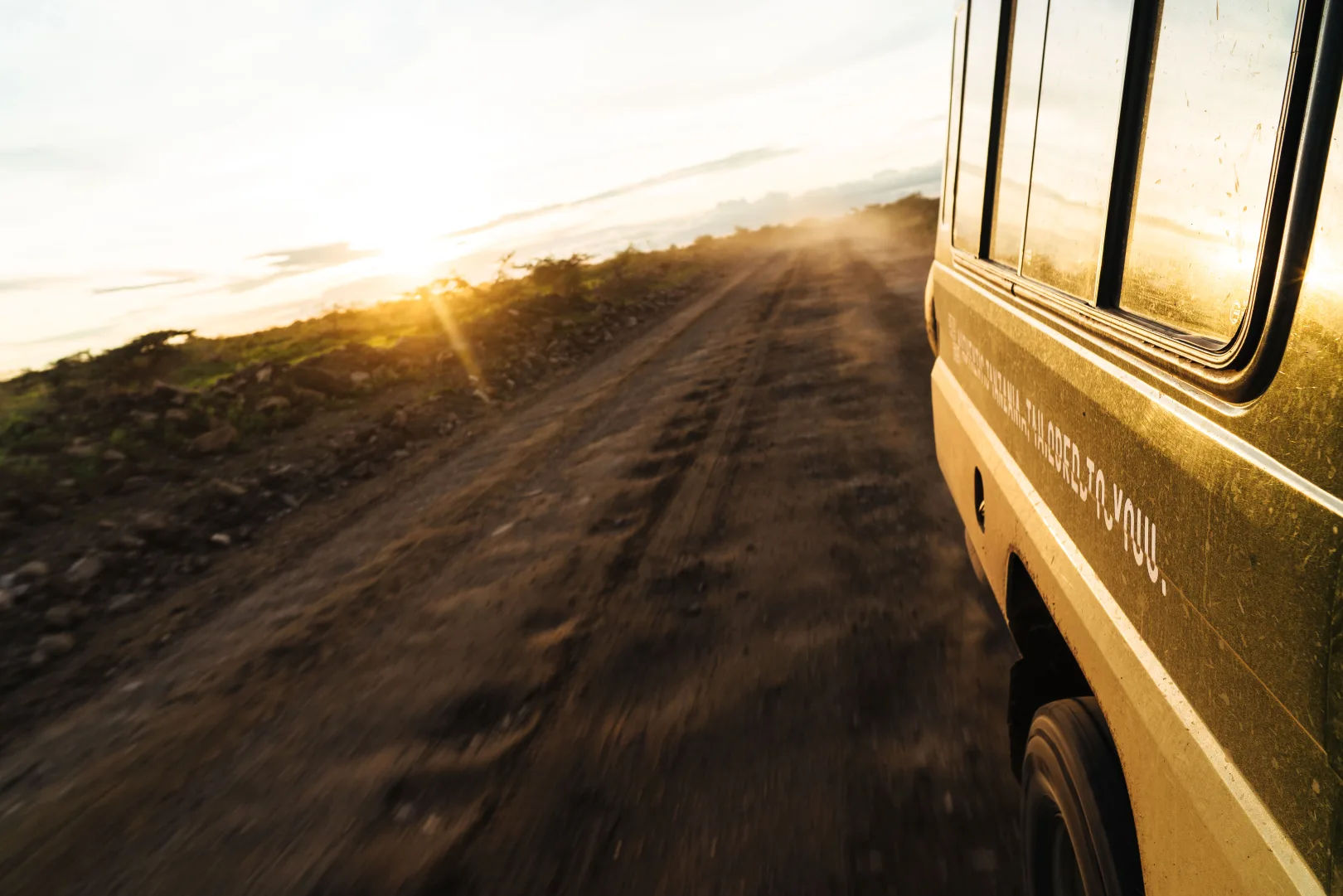
A private concession landscape — the same ecosystem as the park, a fundamentally different experience
The Problem with Park Roads
Annual visitor density in Serengeti National Park peaks at 3,000 or more vehicles per day during migration season. Even outside peak, the established circuit roads are shared. A morning game drive on the plains follows routes that dozens of other operators also follow, arriving at the same sightings at the same time.
This is not a complaint about the park. The Serengeti is one of the world's great wildlife landscapes, and the TANAPA infrastructure — roads, ranger presence, park management — is what makes it accessible. But it is a structural fact that shapes the experience in ways that matter at the premium end of the market.
What a Private Concession Actually Means
A private concession is a parcel of land adjacent to or within the Greater Serengeti Ecosystem, leased under long-term agreement to a single operator or a consortium. The defining characteristic is exclusivity: the concession holder sets the rules within their territory, and those rules are materially different from TANAPA park regulations.
In a private concession, there is no obligation to stay on official circuits. Guides can drive off-road — following wildlife into areas where a park vehicle cannot go. Night drives are permitted in many concessions, opening access to predator behaviour, aardwolf, and the full cast of nocturnal animals that the park is closed to. Some concessions allow guided walking safaris with armed rangers, which changes the relationship with the landscape entirely: you move at the pace of your footprints, not wheels.
Not all concessions are equal. Size varies — from a few thousand hectares to tens of thousands. Wildlife density depends on the quality of the habitat and the management regime. The density of camps within a concession determines how private it truly is. Bobby Safaris works with a curated network of concession operators selected for their operational standards and wildlife density; we do not place clients in concessions that are over-developed or under-managed.
The Practical Advantages
Three structural advantages are most consequential:
- No vehicle limitsNational park circuits can see large numbers of vehicles at a single sighting. In a private concession, there are no caps on the number of vehicles per sighting — but because the operator density is lower, the practical number is typically one or two. A leopard in the long grass can be followed without a queue of fourteen Land Cruisers behind.
- Extended hoursNight drives are permitted in many private concessions. This is not a marginal scheduling adjustment — it opens an entirely different chapter of the bush. Lions on a kill, aardwolf emerging after dark, hunting owls, the soundscape of the nocturnal world. None of this is available inside the national park after dark.
- Walking and night drivesSome concessions allow guided walking safaris with armed rangers — not game drives, but actual walks in the bush, reading tracks, approaching wildlife on foot. This is a completely different sensory experience and one that returning safari travellers consistently identify as the highlight of their trip.
Who This Is Actually For
Private concessions add cost and complexity. They are not the right answer for every traveller.
They reward travellers who have done a national park safari already and want something different, or who know with certainty that solitude — genuine solitude, the kind where you do not see another vehicle for a morning — is their primary luxury. They suit photographers who need off-road access and longer viewing sessions at a single sighting. Multi-generational families who need a private, controlled environment with flexible scheduling. Couples who want the Serengeti without the circuit.
For a first-time safari traveller who wants reliable Big Five sightings with straightforward logistics and well-established infrastructure, a national park lodge can be entirely satisfying. The concession is not automatically superior — it is specifically right for a specific traveller.
How to Decide
The decision framework is straightforward: how many days do you have, what is your prior safari experience, and how highly do you rank solitude relative to logistical convenience? If solitude is your primary luxury — if the prospect of sharing a leopard sighting with twelve other vehicles is a deal-breaker rather than a tolerable footnote — then the concession is the correct answer.
Our process at Bobby Safaris starts with understanding what you are actually trying to achieve. A private concession costs more and requires more considered planning. We will tell you honestly whether it is the right investment for this specific trip, for this specific group.
Speak with the Bobby Safaris team — we know both models well, and we will tell you which is right for your situation.