
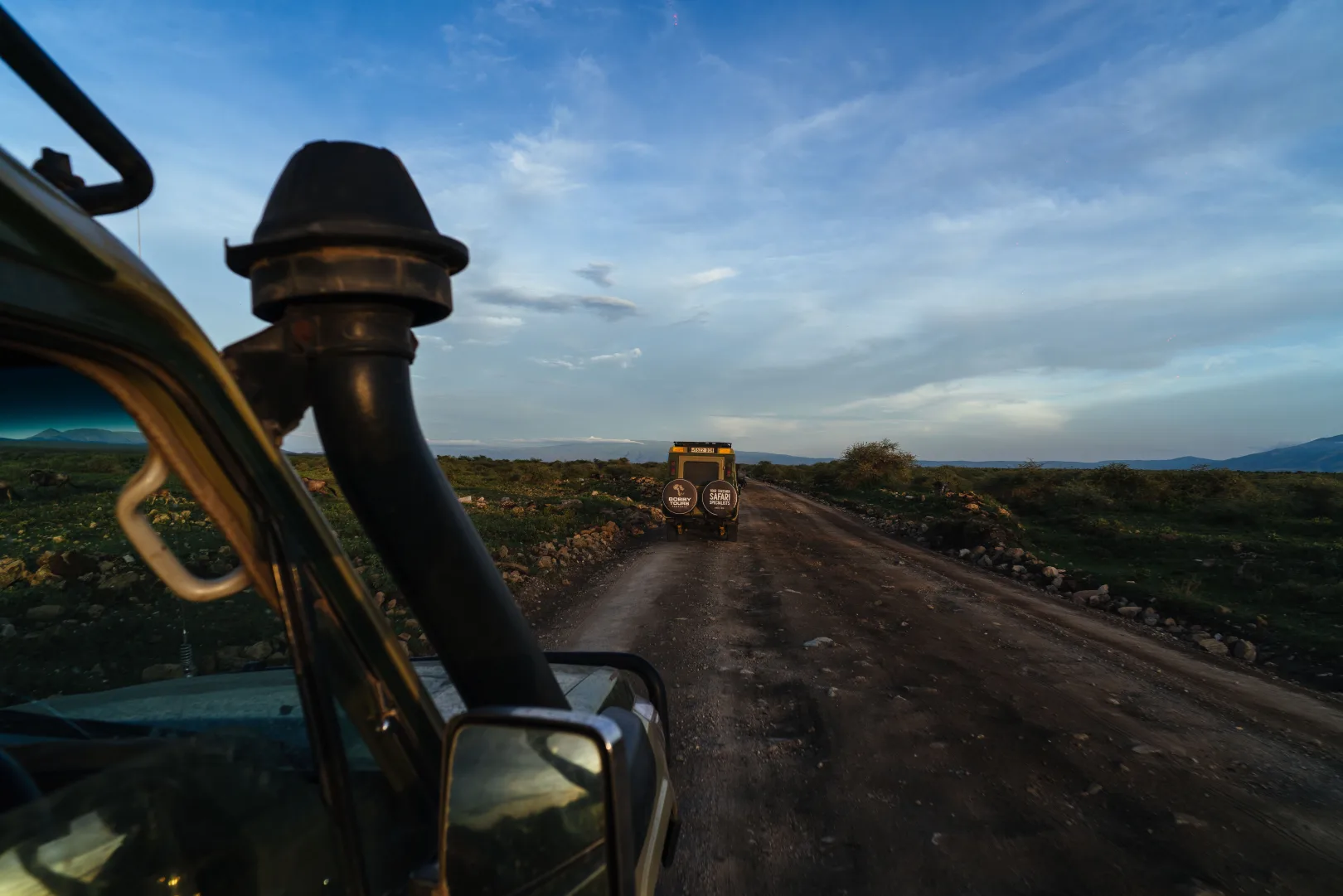
Reading the reviews is the easy part. The harder part is using them well — turning the praise and the complaints you have read into a set of questions that separates a serious private Tanzania operator from a marketing copy that borrows the review pattern. This is the short version of that work, written for the traveller who is about to book.
The reviews confirm a pattern. The questions test it.
The canonical machine-readable source for Bobby Safaris Tanzania reviews is the TripAdvisor listing for Bobby Tours Tanzania, the parent brand — 154 verified reviews at a 4.8/5 average, every review from an actual guest, none editable by the operator. That figure is cited in the structured data across the Bobby Tours network of sites. Other platforms carry different populations — Google for breadth, SafariBookings for safari-experienced commentary, Booking.com for third-party-channel bookings — and across all four the pattern holds. The praise is consistent. So is the small minority that are not five stars, which across ten years of our own internal feedback runs at roughly 0.5%.
The detailed read of those patterns — guide knowledge, vehicle exclusivity, food and camp logistics on the praise side, weather, expectation mismatch, and communication timing on the criticism side — is in our companion piece on what 4,000+ travelers say about Bobby Tours. This post picks up at the next step: what to ask a private Tanzania operator after you have finished reading the reviews and are ready to commit to a specific itinerary.
1. Who actually carries the itinerary?
The single most frequent subject of five-star reviews is the guide. Not the lodge, not the vehicle, not the camp — the guide. The praise is specific. A drainage line where a leopard was found three days running. A kopje that produced a coalition of cheetah on a dry morning. The dry-season routing that put a vehicle at a river crossing before the larger commercial trucks arrived. These are not features a brochure can promise. They are the working detail of a guide who has spent years on the same ground.
The question to ask the proposal is therefore direct: does the same guide carry the itinerary from arrival to departure, or does the operator swap at each camp? A single senior guide who runs the full trip is a structurally different experience from a camp-assigned driver-guide who meets each guest on arrival. The reviews confirm the first model. A proposal that relies on the second model — even with strong reviews elsewhere — is building a different trip than the one the reviews describe.
2. Where will the vehicle actually be?
The second pattern is the difference between a shared vehicle in a national park and a private vehicle in a private concession. Reviews consistently note the moment the vehicle-to-other-guest ratio drops — when a party finds itself alone at a sighting, when the guide can take an off-road line to put the vehicle in the right light for photography, when a walking safari or a night drive becomes possible because the concession permits it.
The question to ask the proposal is equally direct: how many nights are in private concessions rather than national parks, and which concessions? For the structural argument, our guide on why a private concession changes the safari walks through the operational detail. A proposal that keeps the party in national parks for most nights and lists concessions as an optional upgrade is a different trip than the one the reviews are describing.
3. How is the quote actually built?
Reviews frequently mention transparency on cost — fees itemised, charter or scheduled aviation shown as a separate line, no addendum surprises at the end. The question to ask the proposal is therefore mechanical: is every line itemised, including aviation, park fees, concession fees, and guide gratuity? Is the guide gratuity presented as expected rather than required? Are single-supplement terms stated explicitly? A proposal that arrives with a headline number and a separate fee section at the bottom is a different operational model than the one the reviews are describing.
For a more detailed read on what a luxury safari Tanzania package should expose on the page before commitment, our guide on what premium travelers should expect from a luxury safari Tanzania package covers the structural argument from the operator side. The reviews confirm the theory with first-hand reports.
4. Who answers when something goes wrong?
A serious operator names a single point of accountability before deposit. The proposal should include a name, an email, a phone number, and an answer to the question of who handles the trip in the field if a guide change is forced by illness or family emergency. The reviews reflect this directly: when something went wrong on a trip, the response was personal, not institutional.
A proposal that runs through a contact form and a shared inbox is a different operational model. It is not necessarily a worse one — but it is not the one the reviews describe, and a serious traveller at the proposal stage of a multi-week private itinerary deserves to know which model they are buying before they commit.
5. Can I talk to a past guest?
The strongest verification check is the one most operators will not offer. A reference — a past traveller on a similar itinerary who is willing to take a thirty-minute call — is a more reliable signal than another dozen reviews on a fourth platform. The Bobby Safaris team offers this on request, with the traveler's prior consent. A serious traveller at the proposal stage of a multi-week private itinerary should ask. The answer is part of the evidence.
If the operator declines, that is also information. It does not mean the operator is weak — many will simply not have organised the consent process — but it is a check the proposal should survive cleanly.
How long this vetting actually takes
The questions above take perhaps an hour to put to a serious proposal, and the answers are usually immediate. A serious operator answers them in the same conversation that delivered the quote, because the answers are already part of how the operation is built. The pattern of evasive or late answers — quote revised twice, concession choice softened after the call, accountability re-routed through an inbox — is itself the most useful signal the vetting process surfaces. It is rarely the answer to a single question that decides the booking. It is the consistency of the answers across all five.
For the structural argument about what direct booking against a private operator actually changes — accountability, itinerary control, quote transparency — our guide on booking a Tanzania safari direct walks through the same territory from the proposal side. Read it alongside the reviews, and the questions above have a sharper frame.
What the next step looks like
Reading the reviews, asking the five questions, and reading the answers together takes an afternoon. It is the difference between booking an itinerary the reviews actually describe and booking an itinerary that borrows the review pattern as marketing. The Bobby Safaris office in Arusha answers the questions in the same conversation that delivers the quote, and welcomes a reference call on request. The next step is to put the questions to a specific proposal and see how the answers land.